
Operations & SLA
Improving SLA and supply chain visibility without adding operational complexity
How time standards, monitoring checkpoints, and scheduled communication help operations teams predict disruptions before they reach customers.
- SLA
- Visibility
- Supply chain
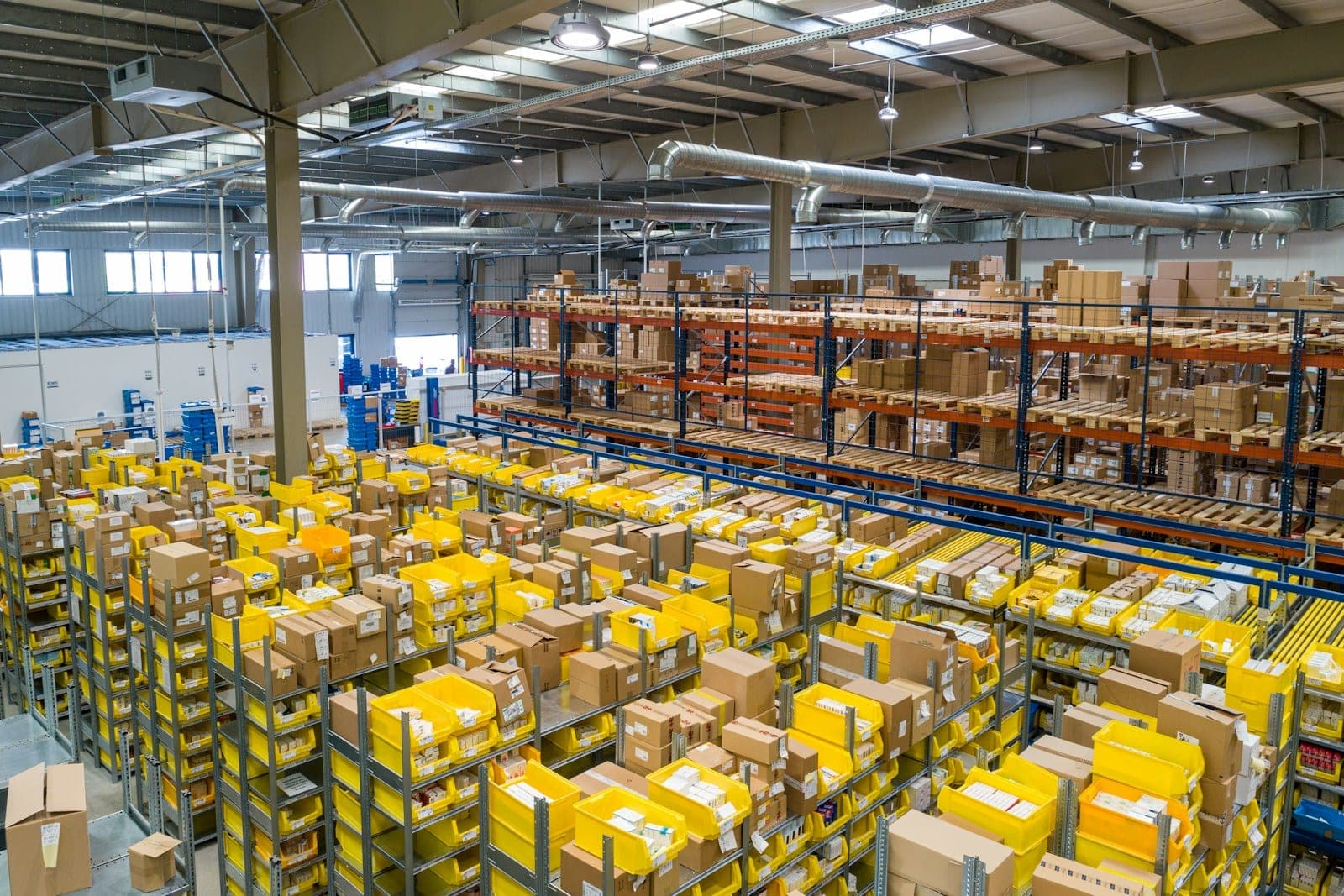
A clear Service Level Agreement (SLA) is not just a number in a contract; it becomes a shared language between warehouse, transport, and customer teams. When every stage has a consistent definition of done, escalations move faster and decisions become more objective.
Modern visibility does not have to mean dozens of dashboards. A few scheduled update points are enough: pickup confirmed, cargo at the hub, field disruptions, and estimated arrival. Predictable information is worth more than updates that arrive too late.
Practices you can apply immediately
Align shipment status definitions across teams so that “in transit” never carries two meanings. Document them on a single short reference page.
Set realistic time buffers on routes prone to congestion or extreme weather; upfront transparency keeps customer expectations healthy.
Run a monthly communication audit: do customers receive the same performance summary the internal team uses? Align both sides.
Summary: How time standards, monitoring checkpoints, and scheduled communication help operations teams predict disruptions before they reach customers.